
Understanding Why Silver Changes Color
Pure silver is a gossamer chameleon, a metal that theatrically surrenders its sheen to the chemistry of daily life. When your silver rings turned bronze, that honeyed patina isn’t rust; it’s a covalent courtship with sulfur compounds lurking in the air, your perspiration, even your grandmother’s perfume. The thin layer of silver sulfide forms in a blink and deepens with ambient humidity. It is not decay, but a slow, inevitable oxidation.
South African summers, with their balmy mugginess, accelerate the affair, turning a bright band into a burnished relic faster than you can say “appraisal.” The mechanism is a picky one.
- Chlorine from swimming pools strips the protective oxide layer.
- Cosmetic residues on your skin provide a sulfurous feast.
- Salt-laden coastal breezes act as a catalytic matchmaker.
The result is a flawed, human artifact, a ring that wears your environment rather than merely adorning your finger.
Factors That Accelerate Tarnishing
Tarnish is inevitable, but its pace shifts wildly with the environment. A silver chain resting in Johannesburg behaves differently from one worn daily in Durban. Salt-laden coastal air is the most relentless accelerant. It bonds with the metal and speeds up oxidation faster than any other natural factor.
Perspiration matters too, especially when your skin’s chemistry runs acidic. Perfume, hairspray, and certain soaps leave residues that eat into the surface. Household chlorine, found in cleaning products and swimming pools, is equally aggressive. The more these substances touch your skin and the ring, the faster the reaction.
When your silver rings turned bronze, these agents did the work. They are everywhere, yet you rarely notice them until the damage appears.
How to Clean Discolored Silver Rings
Silver has a memory. It remembers every hand wash, every sweat-soaked gym session. Over time, that bright band develops a dull, coppery cast. Your silver rings turned bronze without warning, it seems. This is superficial tarnish, a thin layer of sulphur compounds reacting to moisture and air.
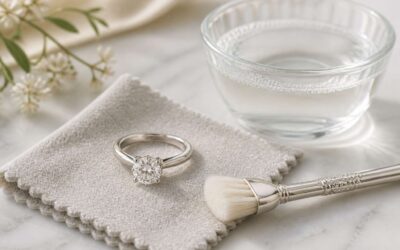
The remedy sits in your kitchen. A quick home routine lifts that discolouration in minutes. Gather these items:
- a small bowl of warm water
- mild dish soap
- two soft cloths
Dissolve a few drops of soap in the water. Soak the ring for two minutes. Buff the surface gently, paying extra attention to the inner band where skin oils collect. Rinse under lukewarm water, then dry with the second cloth. The bronze hue fades instantly, leaving the original shine visible again.
Preventing Future Color Changes
Prevention is really about a relationship. You and your jewelry need to set some ground rules, or the silver rings turned bronze situation will repeat faster than a reality show scandal. I was once the villain in my own ring’s story, a cautionary tale of hand cream and impatience. Now I know better.
So, what changed? Mostly, I stopped treating my rings like they were invincible. The bathroom cabinet is not a long term home.
Here is the simple rallying cry for your errands:
– Remove your rings before swimming in the ocean or the pool. Chlorine is brutal.
– Keep them clear of household cleaning sprays.
– Wash your hands with plain soap, not a moisturizing exfoliant.
– Pop them on a silver cloth after a sweaty day, not next to your keys.
The science is simple: moisture and sulfur cause that dull, coppery patina. It is suffocating them. A little dry storage goes a long way. My own fingers have never been happier since I started this ritual. Embrace the dryness. Your ring will look better for it, and so will you.
Restoring the Original Shine
When silver rings turned bronze, the change feels personal. I have watched this happen on my own hand, the gleam fading into a dull, coppery mask. Restoring the original shine demands an understanding of what stole it.
Sulfur in the air, sweat on the skin, and certain lotions all conspire. Each leaves a trace, building into that unsightly patina.
Here is what often tarnishes a ring:
- Humidity and airborne pollutants
- Perfumes, soaps, and cleaning chemicals
- Natural body oils during sleep
The bronze tint is a surface reaction, not a permanent stain. A careful polish and a gentle cleaner will bring back the pale brilliance.
0 Comments