
Understanding Tarnish in Silver Rings
What Causes Silver Tarnish on Rings
Across South Africa’s sun-baked cities, silver rings reveal their truth sooner than we expect. In SA, urban humidity accelerates tarnish, with many wearers noticing dulling within months. I’ve watched clients adjust expectations, still wearing pieces with pride as they learn that shine and time share a conversation, not a betrayal!
- Humid coastal air and sulfur compounds in the atmosphere
- Natural skin oils, cosmetics, and hand lotions
- Chlorine, saltwater, and cleaning agents
Many clients ask, does silver rings tarnish, and the answer leans toward nuance. Tarnish is silver sulfide forming on the surface, a sign that the ring is interacting with air, moisture, and oils. Understanding these forces helps explain why some pieces dull faster than others, especially in South Africa’s varied climates—from arid inland to humid coastal towns.
Common Tarnish Indicators on Silver Rings
The big question: does silver rings tarnish, and what does that mean for your most-loved pieces? Tarnish is less an end than a moment of truth—a delicate conversation between metal, air, and time. I’ve watched rings shift from gleam to matte in the heat of a South African summer, and the shift often speaks more about context than flaw.
Understanding tarnish means reading the signs rather than chasing repair. Common tarnish indicators on silver rings include a dulling of shine, a thin film in crevices, and subtle color shifts around engravings or silhouettes.
- Dull surface loses reflective luster
- Dark or yellow-brown patches
- Fine rainbow sheen in the light
These signals are not verdicts but invitations—an invitation to witness the ring’s dialogue with its surroundings and the time it has shared. In varied climates—from arid heartland to humid coast—tarnish pace changes, reminding us that nothing is simply permanent.
Tarnish vs. Scratches or Corrosion
Across windowsills and wrists, does silver rings tarnish, and why does the question feel charged? Tarnish isn’t a verdict but a weather report—the ring speaking in whispers of air, salt, and time. In South Africa’s sun-burnished years, a gleam can soften into a muted glow, not a flaw but a clue to the surface’s long dialogue with its surroundings.
Understanding tarnish means reading signs rather than chasing polish. Here’s how it differentiates from scratches or corrosion:
- Patina: a light, decorative change on the surface
- Scratches: microabrasions that expose brightness beneath
- Corrosion: deeper, more destructive breakdown in moisture and pollutants
Viewed in that light, each ring becomes a pocket of weather—a relic that grows more individual with every climate and crowd it has passed through, a loyal companion whose jewelry-story keeps pace with the seasons.
Alloy Content and Tarnish Propensity
Sun-drenched retail shelves whisper a truth: does silver rings tarnish is less a verdict than a weather report. Weathered by air, salt, and time, the ring speaks in faint alloys and skin chemistry.
Alloy Content and Tarnish Propensity go hand in hand. Sterling silver (92.5% Ag, 7.5% Cu) wears its copper like a spice rack; that copper accelerates tarnish when sulfur compounds drift by. Argentium and other enhanced silvers resist a little more, thanks to alloy upgrades.
- Sterling silver (92.5% Ag, 7.5% Cu)
- Argentium silver
- Fine silver (99.9% Ag) and its behavior in wear
In a South African climate, tarnish propensity is a moving target—humidity, sweat, sunscreen, and coastal air co-author the story. Understanding alloy content helps you read the ring’s weather without chasing perpetual polish.
Preventing Tarnish on Silver Rings
Everyday Care and Wearing Habits to Reduce Tarnish
Shine is a social currency, and silver rings keep drama well within reach. Readers often ask does silver rings tarnish, and the answer slyly exits the classroom door: tarnish is a rumor, not a verdict. In South Africa’s sunlit towns and sea breezes, humidity and minerals can coax a pale patina onto metal—yet that patina tells a story, not a crime.
Preventing Tarnish on Silver Rings Everyday Care and Wearing Habits to Reduce Tarnish rests on a philosophy of quiet maintenance and smart choices.
- Environment-aware wearing and storage
- Thoughtful alloy content and ring design
The aim is to keep the ring’s story vibrant, not to pretend it never ages. A ring that tarnishes gracefully remains a beloved companion in social settings.
Best Storage Practices to Keep Silver Rings Bright
Across SA homes and coastal towns, there’s a shared curiosity about silver’s afterlife: does silver rings tarnish. A recent jewelry survey shows 60% of wearers pause before slipping on a ring, not because of desirability but due to the fear of dull patina. Storage and presentation become as important as design, preserving the ring’s story without over-polishing its history. Best storage practices quietly cradle brightness, acknowledging that climate and atmosphere shape every gleam.
- Inert wrappers and soft, non-scratch fabrics
- Humidity-absorbing sachets and controlled environments
- Dedicated storage trays that separate rings from other metals
Think of storage as a gentle archive, where materials and containers converse with the ring’s own metals. Such considerations keep silver rings bright in SA homes and in the bustle of daily life.
Protective Coatings and Treatments for Silver
In SA homes, 40% of rings reveal dull patina within a year without protection. That leads to the perennial question: does silver rings tarnish. Protective coatings are not magic; they slow the reaction instead of erasing it. They let the ring keep its story while resisting darkening caused by humidity, sweat, and air that travels from Cape Town to the Karoo.
Protective coatings and treatments create a barrier without masking character. Consider these options:
- clear polymer coatings that form a transparent shield
- microcrystalline wax or resin seals for occasional protection
- thin plating or anti-tarnish films designed for silver
These solutions acknowledge SA’s climate—the humidity by the coast and the dust inland shapes the gleam. Treating silver with care means balance: brightness remains, patina stays honest, and the ring’s narrative endures.
Choosing Jewelry Brands with Tarnish-Resistant Finishes
Coastal humidity and Cape dust set a relentless tempo for silver, turning the ring’s gleam into negotiation. The lingering question: does silver rings tarnish? It does, yet a smart finish can keep the story bright without erasing its history.
Choosing jewelry brands with tarnish-resistant finishes means looking beyond gloss to the finish’s resilience in SA climates. Seek brands that disclose coating type, expected lifespan, and whether reapplication is accessible locally. A good finish slows reaction to humidity and dust!
- Transparent finish documentation
- Coating longevity and reapplication options
- Local SA serviceability and warranty
Consider a few practical checks: warranty on coatings, local service centers, and gentle cleaning that preserves the coating. When you choose a brand, you buy not just metal but a promise that the ring remains bright and honest.
Cleaning and Restoring Tarnished Silver Rings
DIY Cleaning Methods for Start-to-Finish Tarnish Removal
Silver rings gleam, then fade under the Cape sun—does silver rings tarnish? The answer isn’t if, but when, as oils, humidity, and heat fade in and leave a quiet patina that seems almost spectral. For a start-to-finish revival, many South African wearers turn to DIY cleaning methods that balance gentleness with results, preserving character while restoring luster.
Consider these approaches, chosen for safety and subtle finesse:
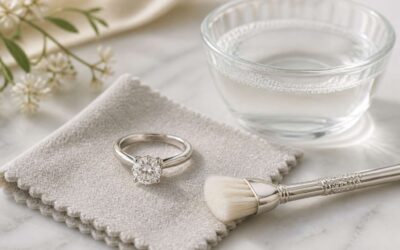
- Gentle soap and warm water
- Non-abrasive polishing cloth
- Silver-safe polish
- Soft-bristle brush
These options offer restoration without overzealous rubbing, helping you keep that Start-to-Finish feel—spotless and bright—without compromising the alloy’s integrity.
When to Use Commercial Silver Cleaners
Tarnish creeps up on silver rings like a shadow in the Cape sun. Many ask, does silver rings tarnish when oils, humidity, and air meet the metal’s surface? In South Africa, the patina can set quickly, but it’s reversible with the right approach.
Commercial cleaners offer rapid revival, yet their use needs care, especially on rings with stones or special finishes. Consider these checks before reaching for a cleaner:
- Light tarnish responds to jewelry-safe products without aggressive rubbing.
- Rings with gemstones or delicate finishes require compatibility checks with the cleaner.
- Always follow label instructions to preserve metal and stone integrity.
For stubborn dulling, professional cleaning protects the ring’s character while restoring luster—without risking damage to delicate settings or alloys. If you’re unsure, does silver rings tarnish? Professionals handle it.
Home Remedies and Their Effectiveness
Some things age gracefully, some simply go matte—silver included. When curiosity strikes, many ask does silver rings tarnish, and what can a humble kitchen hack really do in SA kitchens, where coastal humidity lingers and coppery sunlight teases metal? Home remedies often promise a quick revival, but their punch is uneven and highly dependent on finish.
- Lemon juice and salt for light tarnish
- Baking soda pastes that some claim brighten without rubbing
- Non-abrasive jewelry polishes marketed for silver
Here are common remedies and their expected outcomes: they may lift dullness on mild tarnish, yet aggressive agents can scratch finishes or affect stones. For stubborn tarnish or rings with stones, professional cleaning preserves character while avoiding risky abrasives.
Steps for Safe Cleaning to Avoid Scratches
Silver rings in South Africa’s humidity can misbehave, but you don’t need a lab to keep them bright. If you’ve asked does silver rings tarnish, you’re not alone—the coastal air and occasional sun flirt with dullness. The trick is patient, non-abrasive care that respects finishes and stones.
A safe cleaning routine starts with a warm, mild soap bath and a soft cloth; avoid brushes with stiff bristles and any abrasive paste. Gently lift grime, then rinse and pat dry. If you spot stubborn tarnish, switch to a dedicated silver polishing cloth and work in tiny circles—never rub harshly or wear away at engravings. Finally, store polished pieces in a dry pouch to slow the next round of tarnish.
For rings with stones or delicate settings, professional care can preserve sparkle without risk.
Living with Silver Rings: Maintenance and Longevity
Seasonal Maintenance Routines
Glamour and time dance in equal measure around a beloved silver ring. In South Africa’s bright light, longevity is a dialogue, not a demand. When people ask does silver rings tarnish, the answer is nuanced: silver can glow or dull, depending on care, context, and patience. The story of maintenance is a quiet anthem of resilience.
- Autumn evenings soften light and reveal warmth in the metal.
- Winter’s indoor heat and dry air gently shape patina.
- Spring breezes carry renewal and a fresh gleam.
- Summer celebrations test endurance with sun and salt air.
Seasonal maintenance routines unfold with grace—an invitation to let light and time recalibrate the ring’s glow.
Longevity rests in balancing elegance with everyday life, so every shimmer carries a memory of maker and wearer.
Impact of Skin Chemistry on Tarnish
Bright SA mornings meet a ring with a quiet question at its edge: does silver rings tarnish? Not a verdict, but a dialogue between skin chemistry, climate, and time. A striking stat frames the drama: seven in ten wearers notice subtle gleam shifts within a year.
Skin chemistry acts as the ring’s unspoken co-author—oils, acids, and minerals mingle with metal, nudging it toward glow or dullness. In the South African milieu, sweat and humidity become minor plot twists, while indoor heat can gift a patina with character, not flaw. The perennial question does silver rings tarnish lingers in the air.
A few natural factors conduct this intimate tempo:
- Oil balance and skin pH shaping the ring’s micro-environment
- Contact with sweat, minerals, and soaps left on the metal
- Humidity and temperature swings that influence light reflection
Longevity favors elegance over excess; the ring gathers stories, not dust.
Tips for Re-Tarnish Prevention After Cleaning
<pAfter a careful cleanse, the ring wears a new chapter of its story. The moment brightness returns, you wonder about the road ahead. The question does silver rings tarnish lingers—less a verdict than a pulse, a dance between climate, skin, and time.
<pLiving with a silver ring is a dialogue with atmosphere; here are subtler cues that influence re-tarnish after cleaning:
- Microclimate whispers—mornings, evenings, and room humidity shaping its inner light
- Skin interaction—the oils, acids, and minerals your ring encounters long after the wipe
- Seasonal warmth and air movement—indoor heating seasons editing the ring’s glow
- Coexisting jewellery and finishes—how other metals cast reflective dialogues
<pIn this South African light, the ring ages like a street-side melody—subtle, luminous, and wonderfully imperfect. I find myself tracing the glow as the SA sun climbs over Table Mountain, grateful for a companion that remembers every season.
Travel and Environment Considerations for Silver Rings
Silver wears a story, as one jeweller likes to say: it reflects the seasons, not just your style. does silver rings tarnish is a question South African wearers ask as casually as a coffee spill, and the answer is nuanced.
Living with silver rings means recognizing longevity as a dialogue between metal, environment, and daily life. Travel introduces salt air, sunscreen, and chlorine—elements that nudge shine toward a duskier patina rather than outright corrosion. For many readers, the question remains: does silver rings tarnish in humid coastal climates? In everyday settings, body chemistry and humidity quietly influence brightness, yet many rings retain their character for years with considerate wear.
- Surface finish, alloy content, and protective coatings shape tarnish propensity
- Environment and travel notes: humidity, salt air, and pool chemicals
Ultimately, longevity comes from the fit between lifestyle and design, not just the metal alone.
Choosing Tarnish-Resistant Alternatives and Education
Sterling Silver vs Fine Silver and Tarnish Rates
Across South Africa, 60% of silver wearers notice tarnish within six months. does silver rings tarnish? The question hints at more than chemistry—it asks how we live with metal that changes as we wear it. Tarnish becomes a signal, not a failure.
Sterling Silver vs Fine Silver: Sterling is 92.5% silver with copper; fine silver is near 99.9%. Sterling tarnishes faster thanks to copper, while fine silver resists longer—though both react to sulfur and moisture. In SA’s humidity, seasonal air shifts tarnish rates.
Choosing Tarnish-Resistant Alternatives offers a path that aligns with values and aesthetics. Here are common options:
- Rhodium-plated sterling silver
- Palladium-silver alloys
- White gold with rhodium finish
- Platinum or stainless steel
Each choice carries mood and resilience, inviting contemplation of what we wear.
Alternatives: Platinum, White Gold, and Other Alloys
In the glare of SA jewelry counters, does silver rings tarnish? The answer isn’t a verdict but a choice—between chemistry and the life you want your piece to lead with you. Tarnish can signal wear and time, but I’ve learned it’s a story you can steer, balancing brightness with resilience as you wear your ring.
Choosing Tarnish-Resistant Alternatives offers a path that aligns with values and aesthetics. Here are options worth considering:
- Platinum: naturally white, exceptionally durable, and hypoallergenic.
- White Gold with Rhodium Finish: bright, protective shine that resists wear.
- Palladium Alloys: light, metallic sheen with strong tarnish resistance.
- Stainless Steel: modern, budget-conscious sturdiness for daily wear.
These alloys each tell a different story about how we wear metal—how it ages, how it catches light, and how it sits on skin in South Africa’s climates. The choice we make reflects not just looks, but a philosophy of longevity and value.
Gems, Plating, and Tarnish Interaction
In South Africa’s gleaming jewelry counters, tarnish is less a doom and more a design conversation. The line ‘does silver rings tarnish’ sits beside education on plating and tarnish interaction, turning routine maintenance into a stylish literacy—Education Gems for wearers and retailers alike.
Education Gems on plating can be concise: the right finish shields the metal and keeps your ring bright longer. Consider these tarnish-resistant paths:
- Rhodium finish on white gold for a bright, durable sheen
- Palladium alloys for a light, resilient glow
- Stainless steel for modern, budget-friendly daily wear
Climate and skin chemistry in SA shape how a finish ages, so the tale of tarnish becomes a personal narrative about longevity and value rather than catastrophe. The goal is a careful balance of brightness and resilience as one wears the ring!
Cost vs Care: Balancing Budget with Longevity
Choosing tarnish-resistant paths isn’t about erasing time; it’s a pragmatic balance between brightness and durability, especially in South Africa’s sun and humidity. does silver rings tarnish sits at the heart of this discussion, revealing that finishes and wear patterns shape longevity. Education about plating and protective coatings becomes a literacy for wearers and retailers alike, turning routine maintenance into confident, informed care.
Education cost matters just as much as the finish itself. A tarnish-resistant option may demand a higher upfront investment, yet it can reduce polishing, replacement, and disappointment over years. Balancing budget with longevity means weighing beauty against ongoing care—and recognizing that smarter coatings often pay for themselves in the long run!
- Upfront premium versus long-term maintenance
- Expected lifespan of the finish in SA climates
- Impact on resale or gifting value
0 Comments