
Understanding the Heritage of Ring Naming
Historical Customs and Traditions
In 16th century Antwerp, roughly 70 percent of silversmiths passed their silver ring name to at least one apprentice. This practice produced a lineage that lasted decades. I have often traced these names through guild records, and the patterns reveal remarkable consistency.
- A master’s mark frequently became the ring name for all his trainees.
- Geographic designations, like ‘of the Cape’, separated workshops in competing regions.
- Some names held ritual significance, referencing older metallurgical deities.
These historical customs still influence modern buyers. When a South African shopper examines a polished band, the silver ring name engraved inside connects them to centuries of tradition. The migration of European smiths to the Cape Colony during the 1700s brought this naming heritage directly to our shores. Local workshops adapted the old rules, preserving the link between maker and moniker.
Symbolic Meanings Attached to Rings
A name can carry more weight than the metal itself. When I hold a band and read the inscription inside, I see a symbol of accountability and identity. The silver ring name is a signature, a promise of quality that transcends the physical object. It tells you who stood behind the work.
This symbolic meaning has evolved over time, shifting from a simple trademark to a marker of personal pride. For the modern wearer, that tiny engraving transforms a commodity into a personal artifact. It connects the owner to a specific heritage. The name represents a silent contract between the wearer and the maker.
Consider the layers of meaning a name can carry:
– It marks the origin of the piece.
– It identifies the specific artisan or workshop.
– It carries the reputation of a family line.
– It links the owner to a historical era.
For South African collectors, this symbolism is particularly potent. The legacy of the Cape Colony silversmiths lives on in every piece that bears their mark. When you choose a ring, you are not just selecting a design. You are selecting a story, a lineage, and a reputation that has been forged over generations. The silver ring name is the key to that story.
How Different Cultures Approach Ring Names
Japanese silversmiths treat the name as a quiet signature. It whispers lineage, placed discreetly on the inner shank. This honors humility. The silver ring name is an intimate disclosure, not a public announcement. The wearer knows it, and that is enough.
European workshops take a different route. Since guild regulations took hold, marks have been stamped boldly for inspectors and buyers. A hallmark offers legal proof. It is verification of alloy purity and maker accountability.
Different cultures approach this naming tradition through distinct lenses:
- Indian artisans embed family symbols alongside the name
- Middle Eastern makers add calligraphy that blends artistry with identification
- Scandinavian workshops use numerical codes tied to their design archives
In South Africa, collectors see British hallmarks fused with local maker marks. This hybrid reflects our complex colonial past. I always find that blend compelling! The naming heritage on a silver ring name is not uniform. Each mark tells you where a piece came from and who was responsible for its creation.
Crucial Considerations for Choosing a Fitting Insignia
Personal Significance and Emotional Connection
Your silver ring name should feel earned, not borrowed from a trend. The right insignia often emerges from a memory, a place, or a person who shaped you. A name that rolls off the tongue in your mother tongue carries more weight than one chosen for aesthetics.
Consider how the name will age. A playful nickname from university might not serve you at a formal occasion. Personal significance grows when the name connects to something durable.
When I chose my own silver ring name, I tested it aloud for a week. The right choice felt inevitable! Emotional connection builds through use, not perfection. The name you wear daily gathers meaning on its own. Over time, that meaning becomes the strongest reason to keep it.
Evaluating the Ring’s Design and Metal Purity
A silver ring name only carries meaning if the band itself can honour it. Before settling on an engraving, examine the ring’s construction. A narrow band will distort longer names, while a deep, bold letterform needs sufficient width to remain legible. The metal purity matters equally.
Sterling silver, typically 92.5% silver with a copper alloy, offers durability and a bright finish. Softer grades may bend or scratch with daily wear. The specific alloy matters, and some jewellers apply rhodium plating to delay tarnish.
- A smooth inner surface is necessary for engraving.
- A band width over 4mm accommodates names with more than eight characters.
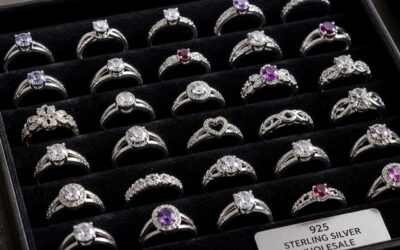
- Hallmarks like 925 or a maker’s mark indicate quality.
These details determine whether your silver ring name ages well. Consider how the texture catches light, how the weight feels on your finger, and whether the setting catches on clothing. A well made ring supports the name it carries, while a poorly made one undermines it.
Compatibility with the Wearer’s Personality
A silver ring name is worn on the skin, but it lives in the mind of every person who reads it. That is the first test of compatibility. Does the wearer want a public declaration or a private marker? A person who introduces themselves with a full name and a firm handshake may favour a complete inscription. A guarded person might choose a nickname or initials.
The cultural context in South Africa adds another layer. A ring worn in a Johannesburg design studio reads differently than one worn in a conservative law firm in Pretoria. The wearer’s profession, age, and daily rituals determine whether the inscription feels familiar or foreign.
- Does the wearer enjoy telling the story behind the name?
- Would a familiar short form feel more authentic than the formal version?
- Is the wearer comfortable with strangers reaching for their hand to inspect it?
Answering these honestly reveals whether the silver ring name becomes a natural extension of identity or a lonely ornament.
Occasion and Sentimental Value
When a friend ordered her first silver ring name, she did it three days after her mother passed. Not for mourning, but for memory. The occasion dictates the sentiment. A silver ring name bought for a tenth anniversary reads differently than one chosen after a divorce. Both are valid, but they carry distinct emotional weights.
Ask whether the ring should mark a beginning, an ending, or an ongoing commitment. The same inscription on a wedding day and a funeral programme will age differently. Some milestones deserve permanent marking; others need a certain private silence.
Consider these common occasions:
– A promotion earned after years of struggle
– A name change after marriage or gender transition
– The birth of a first child
– A reconciliation that required courage
The best time to order the ring is when the event still carries a pulse, a date that means something only to you. I have yet to see a silver ring name fail when the occasion was chosen honestly.
Ensuring Timelessness Across Generations
The inscription outlives the occasion. That is the first truth of any lasting piece. When I consider a silver ring name for a client in Johannesburg, I ask what their grandchildren will see, not what their followers will like.
Timelessness requires restraint. A full surname, a birth year, a single initial. These elements endure shifts in style. I have seen a silver ring name chosen in haste, with a pet name and a smiley face, become a source of quiet regret within a decade.
- Choose lettering that remains legible at half the size
- Select a finish that tolerates daily wear
- Let the insignia represent the family, not the phase
The right insignia becomes an heirloom from the first day. It does not announce its age. It simply remains!
A Wealth of Ideas for Naming Your Sterling Jewelry
Nature and Element Inspired Monikers
A silver ring name can draw from natural elements such as storm and river. South African jewellers often use local terrain, choosing monikers like ‘Karoo Stone’ or ‘Tsunami Silver’ to capture elemental forces. The name changes with its environment. I have watched names like ‘Misty Peak’ transform a plain band into a cherished keepsake. Lunar motifs evoke the moon’s pull, while forest references suggest growth. Consider these elemental ideas:
- Thunder for raw energy,
- River for continuous movement,
- Ember for hidden warmth.
Each moniker anchors the metal to a specific natural story. This approach gives the wearer a tangible connection to the earth.
Celestial and Cosmic Themes
There is a quiet audacity in naming a band of sterling silver after a dying star. The Southern Hemisphere offers an intimate view of the Milky Way, a ribbon of ancient light that South African jewellers translate into pieces called ‘Sideral’ or ‘Nebula’. A silver ring name rooted in the cosmos does not describe the metal; it describes the light the metal might catch.
Consider the celestial lexicon:
- Venus for the evening glow,
- Orion for a hunter’s resolve,
- Pulsar for a sharp, rhythmic brilliance.
These names hold a fixed place in the sky and in history. When you choose a silver ring name like ‘Aurora’ or ‘Helios’, you align the piece with events that occurred millions of years ago. I find this approach deeply personal. The metal gains a reference point that reaches far beyond a jeweller’s bench, tying the wearer to the vast view above the Cape night sky.
Literary and Mythological References
Every silver ring name carries a story, and mythological figures provide the most enduring plots. South African readers know ancestral tales, from the trickster wisdom of Hlakanyana to the Greek heroics of Odysseus.
Consider names like:
- Athena for wisdom and craft.
- Anansi for cleverness and resilience.
- Freya for elegance and fierce independence.
These references embed your piece with narrative depth. A name drawn from myth sets the wearer within a larger quest, one that echoes through centuries of storytelling.
Minimalist and Abstract Options
In the quiet space between ornament and object, a minimalist silver ring name finds power through restraint. Abstract naming strips away narrative, leaving pure form, weight, and texture to speak for themselves. Consider names like “Lumen,” “Facet,” or “Still.” These words do not describe the ring; they evoke its essence.
- “Fold” for a ring with a subtle crease.
- “Aperture” to suggest an opening.
- “Slant” for an asymmetric band.
The beauty of such a name is its open meaning. For South African buyers, these names avoid cultural baggage and allow personal interpretation. Abstract naming also ages well. A ring called “Parallel” feels as relevant in a decade as it does today.
Vintage and Antique Revival Names
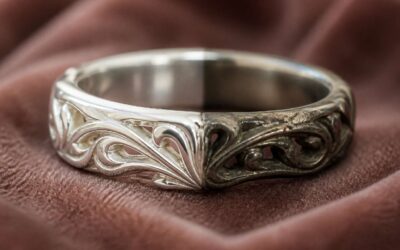
Vintage revival names give an immediate pedigree to a silver ring name. Consider “Filigree,” which points to intricate wirework from Victorian jewelers, or “Cameo,” evoking carved shell portraits of the 19th century. These titles fix a piece to a particular era, offering the wearer a direct link to earlier craftspeople. In South Africa, such monikers connect with local history, from Cape Dutch heirlooms to trade beads exchanged inland.
- “Patina” for a ring with an aged surface.
- “Damascus” to suggest ancient metalworking.
- “Monogram” for a piece designed with initials.
Such a name becomes a marker of endurance, celebrating techniques that have survived generations. This approach favours permanence, resisting the disposable trends of contemporary fashion.
Compound and Blended Name Creations
I like compound names for a silver ring name. Pair meaningful roots to create something fresh. Consider these blended examples.
- Moonweave, for a hammered band
- Driftmark, for a coastal finish
- Karooblom, for a desert flower motif
These constructions sound distinctive, not fabricated. In South Africa, blending Afrikaans and English words feels natural. It respects local speech while giving jewellers room to experiment. A blended name engraves beautifully inside the band, adding a private layer of meaning. The wearer carries a title that exists nowhere else, a small marker of identity. This approach suits those who want originality without straying into obscure references.
Creative Methods to Engrave or Display Your Chosen Word
Popular Engraving Styles and Typefaces
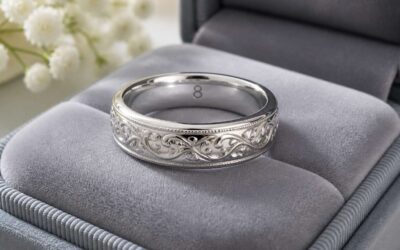
Engraving transforms a silver ring name into something tactile and lasting. Script lettering inside the band feels private and intimate. Block capitals on the outer face make the word visible to the world. The typeface you select changes how the name is perceived!
Popular engraving styles worth weighing:
- Italic serif, for a sense of motion
- Hand-punched dots, for a raw, artisanal texture
- Old English, for weight and tradition
Some wearers display the word by cutting letters through the metal, letting light pass through the negative space. Others add a tiny accompanying motif. I tend toward a shallow, hand-punched finish; it reads honestly and ages gracefully. The silver ring name should feel like your own language, not a borrowed phrase.
Choosing Between Inner and Outer Band Placement
Placement determines how a silver ring name is read. Inside the band, the word sits against the skin. It becomes a private marker, something the wearer traces with a fingertip during a difficult meeting or a long Joburg commute. Outer placement makes the same letters a public declaration. Passersby see the word, but the ring absorbs knocks and abrasion.
Several methods reward consideration:
- Recess the letters into a frosted track for contrast without deep cutting.
- Split the word across two rings, so the name completes only when hands touch.
- Convert the word into a repeating geometric pattern around the shank.
The inner band suits names with emotional weight. The outer band suits names meant to be spoken. A silver ring name on the outside needs a deeper cut to survive daily wear; inside, a shallower stroke costs less and lasts longer. Both demand a skilled hand.
Monogramming Techniques for Multiple Letters
Johannesburg jewellers note that a silver ring name rarely stays in a straight line for long. The metal invites experimentation. Interlocking the characters so each one shares a stroke with its neighbour creates a condensed mark that reads as a single emblem. Trace a small motif inside the negative space of a letter, and the name gains a quiet visual anchor.
Monogramming techniques for paired initials often follow a familiar logic. The middle letter stands taller, the flanking letters sit lower, and the whole arrangement feels balanced. Some prefer a fluid approach, where every letter adjoins the next without visible breaks.
- Heraldic monograms with the central letter dominating the pair
- Geometric monograms where the letters form a square or circle
- Script monograms with flowing connecting strokes
The strokes stay shallow enough to preserve the silver ring name’s structural integrity, yet deep enough that the letters remain legible for decades.
Integrating Symbols, Dates, and Gemstones
When your silver ring name carries a date or symbol, the engraving becomes a small narrative. A Roman numeral anniversary beneath a wave line records a memory without shouting. A sapphire flanking the first letter anchors the eye while a diamond marks a birth year.
I often suggest a single motif threaded through the letterforms: an anchor, a star, a sprig of fynbos. Other clients prefer a clean approach where the stone carries the weight and the name stays minimal. Consider these options:
- Set the gemstone inside the loop of A, O, or D.
- Engrave the date as a continuous line beneath the name.
- Pair a small symbol with the final letter only.
The best work comes when elements agree. A silver ring name with a hidden date inside the band and a single gem outside reads differently from each side. One for the world, one for the wearer.
Preserving the Legibility and Beauty of the Inscription
Daily Cleaning and Polishing Routines
An engraved silver ring name endures only as long as the metal retains its clarity. I have watched inscriptions become unreadable within a decade when owners skip basic care. Daily wear exposes the band to sweat, lotions, and the abrasive grit of ordinary dust. Each element settles into the recessed letters, slowly obscuring the strokes that once spelled a loved one’s name.
The cleaning ritual is simple. A soft cloth, lukewarm water, and a drop of mild dish soap are enough. Gently stroke along the lettering with a soft-bristled brush, never across it, to lift grime from the grooves without scratching the surface. Dry the ring thoroughly before storage.
When polishing, choose a non-abrasive silver polish and apply it sparingly. Rinse away every trace of the compound, since residue collects in the engraving and accelerates tarnish. The payoff is a silver ring name that stays crisp and legible for years.
Proper Storage to Prevent Scratching
Storage decides how long a silver ring name holds its edges. A ring tossed into a drawer with coins or keys will lose its engraving faster than any polish can restore. I have seen inscriptions ruined this way, flattened to faint scratches by ordinary neglect.
Use a lined jewellery box or a separate soft pouch. Keep the ring away from harder metals and gemstones. Silver is soft, and a steel chain can score the surface in seconds. The lettering, once scored, becomes harder to read.
Coastal South African humidity accelerates tarnish, which collects in the letters and dims the name. A silica gel packet inside the storage box absorbs the moisture before it settles.
- Store the ring flat, never stacked.
- Keep the box closed when not in use.
- Handle the band by its edges.
These routines preserve the legibility of the silver ring name between wearings.
Protecting the Engraving from Harsh Chemicals
Dousing a silver ring name in perfume is a social habit I cannot fathom. The alcohols and oils strip the engraved lines of their contrast, leaving the lettering pale and indistinct. South African summers bring sunscreen, which contains compounds that dull the metal’s surface. A silver ring name deserves better than a spritz at the wrist.
Remove the band before applying fragrance, household bleach, or hairspray. Chlorinated pools offer a particular form of devastation. The chemical bonds seize the silver and weaken the inscription’s edges. A single swim can undo years of careful wear.
Consider these protections for the engraving:
- Apply cosmetics and allow them to dry before sliding the ring back on.
- Wash hands after handling cleaning products.
- Use a gentle cloth if residue appears.
The legibility of a silver ring name depends on keeping harsh solvents away from the lettering. Respect the material, and it will respect your name.
When to Seek Professional Re-Engraving
Legibility fades slowly. An engraved name that once felt sharp under your thumb now reads smooth to the touch. Light catches the letters differently. When you squint to make out your own name, the inscription has lost its depth.
Professional re-engraving restores that crispness. I have sent rings back to the workshop after a decade of daily wear. The artisan re-cuts each stroke, bringing back the original contrast. Do not wait until the letters disappear entirely.
- The engraving feels flat against the metal
- Letters appear shallow or broken
- You hesitate when describing the ring to someone
A skilled jeweller can re-engrave without thinning the band. Asking to see previous work gives you confidence. Your silver ring name deserves that care.
0 Comments