
The Allure of Silver and Red Stone Combinations
Why Red and Silver Create a Striking Contrast
At a 2023 trade fair in Johannesburg, garnet and silver outranked gold in custom ring requests. That statistic points to a simple truth. The contrast is immediate: silver reflects the light, while the red stone absorbs it and releases a warm, indoor glow. This elemental balance gives silver rings red stone a presence that plain metals cannot replicate.
Carnelian, garnet, and jasper each behave differently in a silver mount. Carnelian appears almost translucent, garnet darker and more private. The cool metal does not colour the stone; it simply frames the natural saturation.
- Red stones raise the visual warmth of the metal.
- Silver allows the stone’s pattern to remain the primary subject.
Because of this, silver rings red stone combinations suit both modern and inherited designs. They hold the eye and reward close attention, and that quiet intensity keeps the tradition alive in contemporary collections.
A Brief History of Red Gemstones in Silver Jewelry
Ancient metalworkers held a different view of silver. While gold claimed the sun, silver carried lunar associations, and red stones carried associations with fire. In the 9th century, Persian silversmiths crafted rings with carnelian seals, believing the stone sharpened the wearer’s judgment. That tradition spread along trade routes into East Africa, where silver rings red stone became markers of protection rather than wealth.
Consider the practical history of gemstones in this context:
- Garnet was sourced from small alluvial deposits in the Karoo and traded by indigenous communities.
- Carnelian arrived via Indian Ocean networks, prized for its translucency.
- Jasper was abundant locally, so early settlers used it in everyday silver mounts.
South African silversmiths adapted these older practices. They paired local stones with imported silver wire, creating pieces that felt personal rather than ornamental. That is why the modern interest in silver rings red stone is not a revival. It is a continuation of a much older habit.
How Silver Enhances the Depth of Red Stones
The human eye registers silver’s reflection faster than gold’s. Silver bounces back nearly all visible light, feeding that light into the stone above it. A red garnet set in silver reads darker and more saturated than the same stone in gold. The metal does not change the stone. It changes the light available to it.
The technical effect carries a psychological one. I have watched someone turn a silver ring and pause, noticing the depth. The stone pushes forward, gaining weight. The skin beneath silver rings red stone stays visible, and that warmth against the cold makes the red more immediate.
The stones used in South African workshops respond differently:
- Garnet turns a bruised crimson
- Carnelian exposes its internal banding
- Jasper loses its chalky edge
That variation is the allure. Silver rings red stone, however, present a depth that gold simply cannot reproduce!
Popular Red Stones Used in Silver Rings
Silver rings red stone hold a particular appeal in South African jewelry. The pairing feels both old and current. The metal stays cool against the skin while the stone absorbs warmth, and that contrast creates a lasting visual pull. When I handle these pieces, the allure is the balance: neither element dominates, yet each one intensifies the other.
The most popular red stones for silver settings include:
- Garnet, dense and wine-colored
- Carnelian, translucent and warm
- Jasper, opaque and earthy
Each stone brings a different texture and tone, yet all of them complement silver.
Choosing the Perfect Red Stone for Your Silver Ring
Comparing Ruby, Garnet, and Red Spinel
Only 5% of rubies reach gem quality, yet choosing silver rings red stone demands deeper scrutiny. Ruby, garnet, and red spinel each present distinct tradeoffs. Ruby’s hardness of 9 on Mohs suits daily wear. Garnet, softer at 6.5 to 7.5, offers a warmer crimson. Spinel, often mislabeled as ruby, displays a brilliance that rivals diamond.
- Ruby: intense red with blue undertones, highest price
- Garnet: warm, affordable, prone to scratches
- Spinel: vivid orange-red, excellent clarity
For South African buyers, garnet’s local availability appeals. But spinel provides modern flair without ruby’s premium. My personal choice? Spinel, for its sheer radiance!
Understanding Color, Clarity, and Cut
A Johannesburg gem cutter once told me that light is the only honest jeweller. Under shop lighting, a silver ring red stone can appear far more vivid than it truly is. Fluorescence and reflected light distort the gem’s real tone. Move to a window and look again. Daylight exposes whether that crimson is pure or merely theatrical.
Clarity requires patience, not magnification. Inclusions rarely matter unless they threaten the stone’s structure. A visible inclusion inside a silver rings red stone setting often signals authenticity, since lab grown stones look sterile by comparison. Cut controls how light travels. A shallow cut drains colour, while a deep cut turns the gem dark and moody.
South African sunlight is unforgiving. Take the ring outside before you decide, because a stone that sparkles indoors may turn dull in natural light.
Matching Stone Hardness with Everyday Wear
Choosing the perfect red stone for a silver ring means thinking about your daily routine. A gem that suits a desk job may not survive a weekend of hiking. Hardness, measured on the Mohs scale, determines how well a stone resists scratches. For silver rings red stone, the setting offers some protection, but the stone itself must cope with knocks and abrasions.
Consider how you wear your ring. Frequent hand washing, cleaning, or working with tools exposes the stone to contact. Softer stones like garnet sit at 7, while ruby reaches 9. That difference matters.
Here is a guide to common red stones and their hardness!
- Ruby: 9, excellent for daily wear
- Red spinel: 8, very durable
- Garnet: 6.5 to 7.5, reasonable with care
I have seen softer stones chip after a year of wear. An everyday silver ring with a harder stone keeps the red brilliant for years.
Ethical Sourcing and Lab-Grown Alternatives
A ruby mined under exploitative conditions looks identical to one sourced from a certified Johannesburg dealer. The difference lives in the paperwork, not the facets. For silver rings red stone, this distinction matters because the band itself starts with an ethical advantage. Recycled sterling silver is widespread, so the gem remains the only unknown in the piece.
Lab-grown alternatives remove the question entirely. A synthetic ruby matches the chemical composition and optical behaviour of its natural counterpart, but it arrives without ecological damage or human cost. Buyers often find that lab-grown stones deliver more brilliance for the same price.
- Provenance documentation that traces the stone to its origin
- Certification from a recognised body such as the Responsible Jewellery Council
- Clear labelling of lab-grown stones for honest disclosure
Whether you choose mined or cultured, the silver rings red stone you select should carry a story you are proud to tell.
Styling Silver Rings with Red Stones for Every Occasion
Casual Looks: Incorporating Bold Red Accents
Even an ordinary Tuesday can use a bold accent. For casual looks, embrace the red stone without overwhelming the ensemble. I love pairing a polished silver ring with a faded denim jacket or a knit sweater. The stone catches the light as you gesture, adding energy to muted tones.
There are simple combinations that work well.
- Pair it with an olive green shirt for a natural look.
- Wear it alongside a leather strap watch for a rugged mix.
- Let the ring occupy one hand alone to maximise its presence.
Remember, a silver rings red stone carries enough drama for the whole day. Keep other accessories quiet, and the red stone will be the focal point.
Professional Attire: Subtle Elegance with Red Stones
A single flash of red at the wrist draws the eye before a word is spoken. In Johannesburg’s boardrooms, the silver rings red stone you choose should signal quiet intent. A slim band with a four millimetre garnet offers presence without demanding attention. This is jewellery for the hand that reaches for a pen.
Placement matters! Wear the ring on your dominant hand to accent gestures. Keep it on the other hand for subtlety during documents. A bezel setting softens the gem’s profile against formal wear; a claw setting reads as assertive.
- Match the metal finish to your watch case.
- Keep one ring per hand in professional settings.
- Select a flat profile that slides under a shirt cuff.
In Cape Town’s financial district, a muted ruby complements charcoal, while a bright spinel works with navy. The version of silver rings red stone that suits a Sandton client dinner may feel excessive at a morning workshop. Adjust your choice accordingly.
Evening and Formal Events: Making a Statement
Evening events reward a silver rings red stone that refuses to recede into the background! At a Johannesburg gala or a Cape Town opera premiere, the same ring that stayed subtle in a boardroom must now hold its own against sequins, satin, and champagne reflections. I have seen a single oxidised silver band with a deep red spinel draw more attention than any necklace in the room.
The shift from professional to formal is about scale and finish. A flat, slim profile disappears under evening light. Instead, a raised dome or stepped shank catches overhead crystal chandeliers.
- High-polish silver magnifies the stone’s internal fire.
- Oxidised grooves create contrast against black tie or evening gowns.
- A wider band balances the visual weight of larger red stones.
For a silver rings red stone intended for late hours, its appearance shifts under amber lighting. Certain reds turn muddy, while garnet from Tanzania keeps its saturation. Ruby holds intensity, but spinel often gains an unexpected glow. The ring must survive the room’s actual atmosphere, not the boutique’s fluorescent white.
Mixing Metals and Layering with Other Jewelry
The eye registers colour contrast faster than any other visual cue, so a silver rings red stone captures attention before the brain catches up. At a Pretoria art opening, I watched a collector stack her oxidised silver band with a tarnished copper cuff and a strand of freshwater pearls. The red spinel sat at the centre of this alloyed composition.
Mixing metals is a practice of warm and cool balance. Some tones work better than others:
- Yellow gold lifts the orange undertones in garnet.
- White gold or platinum extends the cool field of the silver.
- Rose gold adds a blush that intensifies the red.
Layering a silver rings red stone with other pieces requires attention to finish. A thin silver chain mirroring the shank creates a consistent line. A heavy brass collar offers weight, but the red stone must stay visible above wrist lines. Hammered surfaces and smooth planes alternate well. The red remains the strongest colour in the arrangement.
Caring for Your Silver and Red Stone Ring
Cleaning Silver Settings Without Damaging the Stone
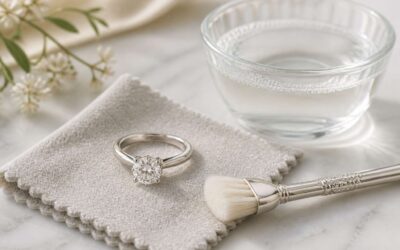
Cleaning silver rings red stone demands a steady hand. The silver setting invites polishing, but the gemstone does not. A soft bristle brush, lukewarm water, and a trace of mild dish soap remove everyday grime without scratching the metal or unsettling the stone’s mounting.
Harsh chemicals are the real enemy. Ammonia based cleaners can dull certain red stones, while ultrasonic devices may loosen stones that are already fragile. I prefer a quick rinse and a careful pat dry. The silver stays bright, and the red stone keeps its depth.
Proper Storage to Prevent Scratches and Tarnish
Proper storage begins with acknowledging that silver rings red stone combinations have two distinct vulnerabilities. The silver tarnishes when exposed to humid air, while the stone scratches when it rubs against harder materials. A single jewellery box drawer rarely offers enough separation.
I keep each ring in its own soft pouch or a compartment lined with untreated cotton. This prevents the silver from contacting other pieces, and it cushions the red stone from accidental knocks. For silver rings red stone owners, this simple habit preserves both elements. Consider these steps:
- Store rings individually to avoid metal-on-metal contact.
- Add a small anti-tarnish strip to the storage container.
- Keep the box away from direct sunlight and humid bathrooms.
South African coastal climates can accelerate tarnish. If you live near the ocean, silica gel packets inside the jewellery box absorb moisture before it reaches the silver. The red stone itself benefits from a stable environment, as extreme temperature shifts can affect certain gemstones over time.
When to Seek Professional Maintenance and Re-polishing
After years of faithful wear, even the finest silver rings red stone require a jeweller’s steady hand. You cannot remove the accumulation of tiny surface abrasions with a cloth alone. Schedule a professional check when the silver loses its lustre despite regular cleaning, or when the red stone shifts slightly under pressure.
Signs that maintenance is overdue:
- The stone emits a faint click when tapped.
- The band appears misshapen or thin in one spot.
- Everyday washing fails to brighten the metal.
Re-polishing by a skilled artisan restores the mirror finish and goes further. The jeweller re-tightens the stone’s metal claws and inspects the setting for fatigue. In South Africa’s variable climate, this annual renewal protects your investment from the gradual deterioration that humidity or dry heat can cause.
Protecting the Stone from Chemicals and Heat
A single dip in a chlorinated pool can dull the finish of silver rings red stone faster than years of daily wear. Chlorine attacks the silver alloy and works its way into microscopic gaps around the stone’s setting. Heat poses an equal threat. A hot stove, a ring left on a windowsill, or a long soak in steaming water can shock certain red stones and create internal fractures.
Perfume, hairspray, and sunscreen also leave residues that harden into a film. This film traps moisture and accelerates tarnish on silver rings red stone. The kitchen and bathroom are the highest risk zones:
- bleach-based cleaners and ammonia vapours
- hot pans, ovens, and open flames
- direct afternoon sun through glass
Warm water and mild soap remain the safest contact. The stone and metal both survive longer when kept away from rapid temperature changes and harsh household chemistry.
The Meaning and Symbolism of Red Stones in Silver Rings
Birthstones and Astrological Connections
A garnet set in silver was once buried with warriors to light their path in the afterlife. That same stone now sits on a modern hand, still carrying that meaning. Red stones have never been neutral.
For those drawn to a silver rings red stone, meaning often follows instinct. Ruby, the July birthstone, ties to the Sun and leadership. Garnet, the January birthstone, connects to Mars and the root chakra. Red spinel is linked to renewal and endurance.
Astrological associations guide many South African buyers:
- Ruby for Leo and solar strength
- Garnet for Aries and Martian drive
- Red spinel for Libra and balance
I have seen a silver rings red stone chosen this way carry intention. It becomes more than decoration.
Giving a Red Stone Silver Ring as a Gift
A silver ring with a red stone carries meanings that shift with the hand it rests on. Some see protection. Others see passion or courage. The silver cools the fire of the red stone, creating a balance that feels deliberate.
Giving silver rings red stone as a gift is a way to say something without speaking. It is a token of strength, a nod to endurance. The person who wears it carries a small piece of that intention.
Common associations attached to this pairing include:
- Protection in daily life
- Vitality and grounded energy
- A quiet signal of inner resolve
0 Comments